
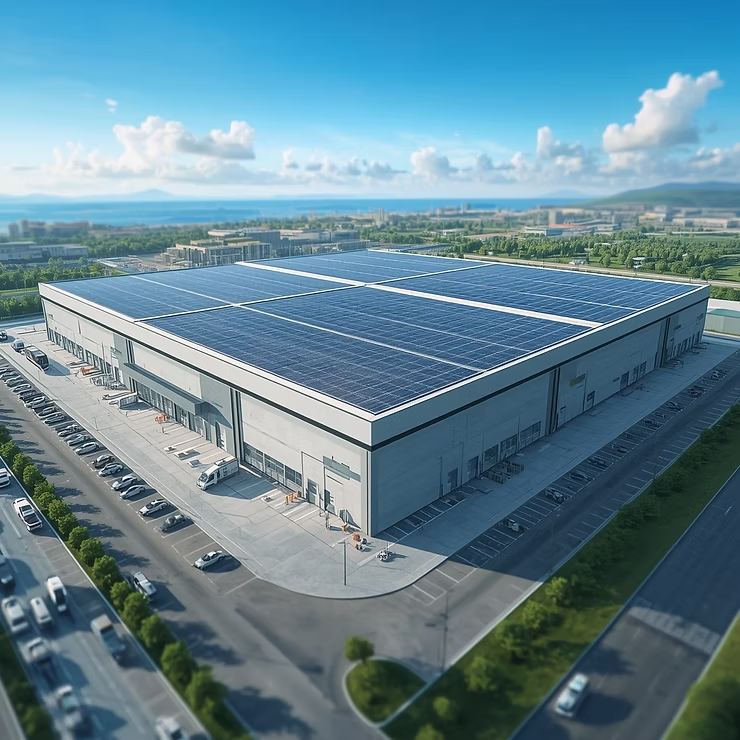
Warehouses often have two things that make solar worth considering: a large roof and an ongoing electricity bill. The right system puts that unused space to work, producing power for the business below. In Virginia, available incentives can make the investment especially attractive for qualifying properties.
Lighting, refrigeration, conveyors, ventilation, and forklift charging all cost money to run. For a busy distribution center, those expenses continue whether orders are moving quickly or the business is having a slower month. Solar energy solutions for warehouses can reduce some of those electricity purchases without taking space away from storage or shipping.
Ethics & Energy is a national commercial solar company. Virginia is an appealing place to evaluate a project, but it is far from the only one. Many other locations offer valuable incentives too. Our favorite places to work on commercial solar projects include markets across the country, and each property's opportunities deserve a local review.
Warehouse Solar
Warehouse solar uses panels on a roof or another suitable part of the property to generate electricity for the facility. During daylight hours, that power can offset electricity the business would otherwise purchase. The utility continues supplying power when solar production is not enough to meet demand.
A cold-storage warehouse has different needs from a building that mainly holds packaged goods. Refrigeration may run continuously, while a smaller storage facility might use most of its electricity for lighting and office space. The same roof area does not mean both businesses need the same system.
That is why commercial solar planning should begin with the operation, not a panel count. Your electricity use, working hours, and future plans help determine a sensible size. If you expect to add refrigeration or electric equipment, bring those plans into the conversation early.
Solar Panels for Warehouse Roof
A broad, relatively unobstructed roof can be a good place for solar panels. Installation there leaves loading docks, parking, and yard space available for everyday work. It also allows a business to generate electricity without buying additional land.
Before installing solar panels on a warehouse roof, check its condition and remaining useful life. If the roof needs replacing soon, coordinating the two projects can avoid the expense of removing and reinstalling panels later. Your roof warranty and the building's ability to support the system also need review.
The attachment method depends on the roof. Some flat roofs can use weighted mounting systems, while certain standing-seam metal roofs allow clamped attachments. Neither option suits every building. A qualified designer should recommend an approach that fits the structure and respects the roofing manufacturer's requirements.
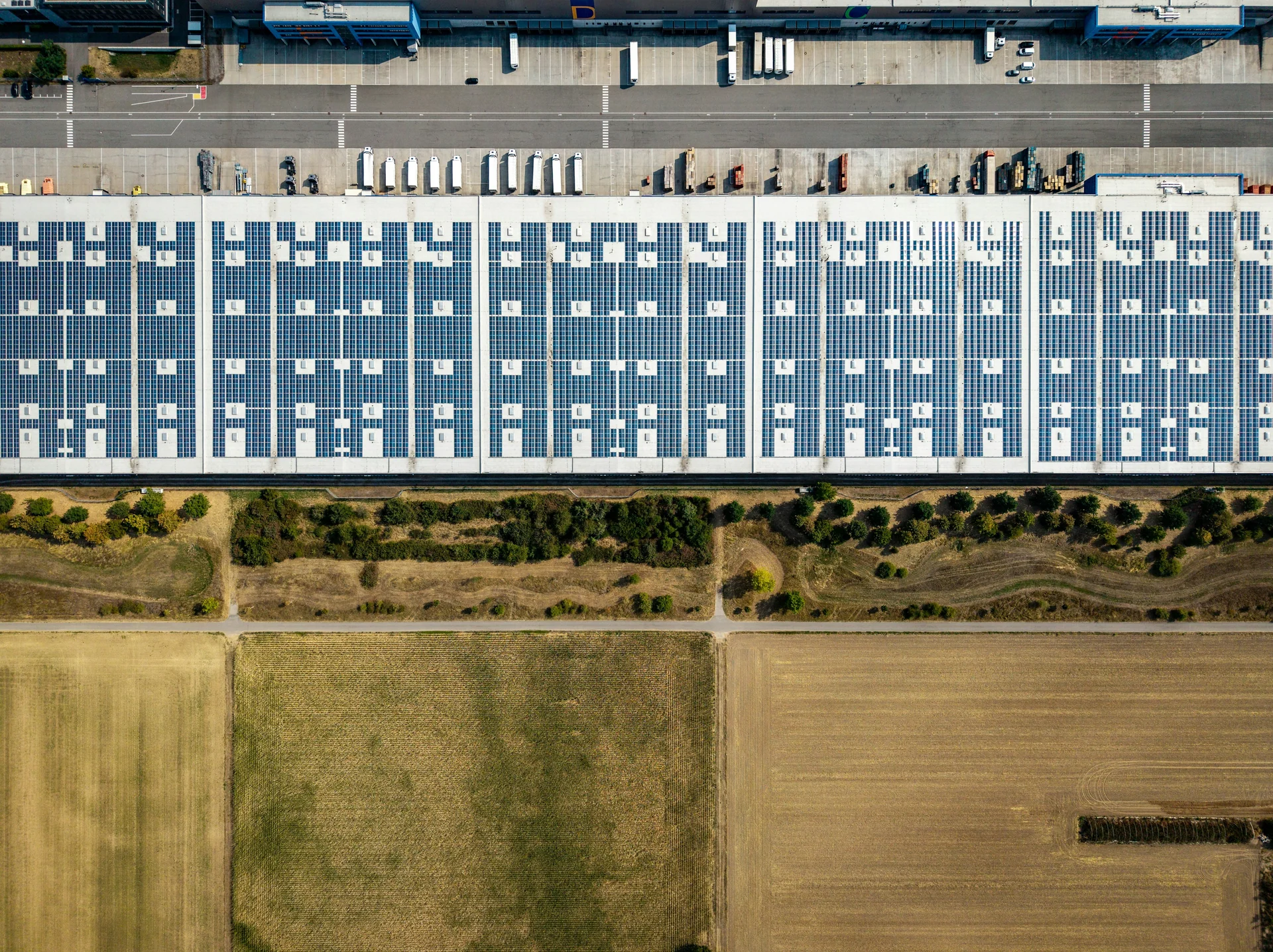
Skylights, vents, drainage, and maintenance access all take up space. A useful layout leaves room for people to reach equipment safely. You do not need to cover every available square foot to have a worthwhile project.
Why Virginia Is an Attractive Place for Warehouse Solar
Virginia's appeal comes from the combination of opportunities, rather than a single rebate available to every building. Qualifying projects may benefit from federal tax credits, utility bill credits, renewable energy certificates, and tax exemptions. Together, these can improve the financial case for solar panel installation for warehouses in Virginia.
Federal Solar Tax Credits
The federal Clean Electricity Investment Credit has a base rate of 6% of qualifying investment, with a 30% rate available when applicable wage and apprenticeship requirements or an exception are met. This is a federal benefit, not a Virginia-only incentive. Eligibility and the amount available need to be confirmed for the particular project.
The schedule matters too. Under IRS Notice 2025-42, applicable solar projects that begin construction after July 4, 2026, must be placed in service by December 31, 2027, to qualify for this credit. Other requirements still apply. Ask your tax adviser to confirm the current rules before counting on a credit in your budget.
Utility Credits and Potential Tax Exemptions
Through net metering, eligible customers can receive bill credits for excess solar electricity sent to the grid. Virginia Energy's solar guidance explains the state's program and potential tax exemptions for qualifying solar equipment. These benefits can add value beyond the electricity used inside the warehouse.
Confirm the rules with your utility before choosing a system size. Not every installation qualifies for the same arrangement. Tax exemptions also depend on the equipment, applicable rules, and any required certification. A proposal should show which benefits are confirmed and which still need approval.
Renewable Energy Certificates
Some solar owners can also earn income by selling renewable energy certificates, or RECs. These represent the renewable attributes of electricity produced. Dominion Energy explains REC sale options for its net-metering customers, including the open market and purchases by the utility under specified conditions.
REC income is separate from utility bill savings. Its value and availability should not be treated as guaranteed. If someone else owns the system, check who owns the certificates before including them in your financial expectations.
How Much Does Warehouse Solar Cost?
Warehouse solar costs depend on system size, roof condition, electrical work, and installation requirements. Incentives can reduce the net investment, but a useful price needs to be based on the actual building. Roof square footage alone is not enough to provide a reliable quote.
Ask for a straightforward explanation of the total installation price, incentives you may receive, and expected electricity savings. The proposal should make clear whether roof repairs or electrical upgrades are included. It should also account for ongoing maintenance and any financing payments.
Savings will vary with your operating hours and electricity prices. Solar can reduce the amount of power you buy, but some utility charges may remain. The goal is a realistic improvement in operating costs, not a promise that every electric bill will disappear.
Solar for Leased Warehouses
You do not have to own your warehouse to explore solar. Most of our clients lease their properties, and in our experience, leasing is rarely an obstacle. Getting the building owner involved is a normal part of planning the project.
The arrangement should make clear who approves the installation, who owns the equipment, and who receives the electricity savings. Those details can be worked through with the landlord as part of the assessment. You do not need to have all the answers before starting a conversation.
Whether you lease or own, the goal is the same: a system that fits your operation and helps lower energy costs. If a high electric bill has you considering solar, leasing alone should not stop you from finding out what is possible.
Can Warehouse Solar Keep Equipment Running During an Outage?
Standard grid-connected solar does not keep equipment running during a power outage. Backup operation requires a system designed for that purpose, typically including batteries and appropriate controls. The equipment you want to support and the length of the outage determine what is needed.
The Department of Energy's solar resilience guide explains the role of storage and backup-ready equipment. For a warehouse, the priority might be refrigeration, communications, or selected loading equipment rather than the entire building.
Our article on solar energy for hospitals and clinics also explains the difference between everyday energy savings and power during an outage. The same basic distinction matters to warehouse owners, even though healthcare facilities have different operating requirements.
When Rooftop Solar Is Not the Best Fit
A roof that needs extensive work does not necessarily rule out solar for the property. Ground-mounted panels may be an option where there is suitable unused land. Commercial solar carports can provide another location for panels over employee or visitor parking.
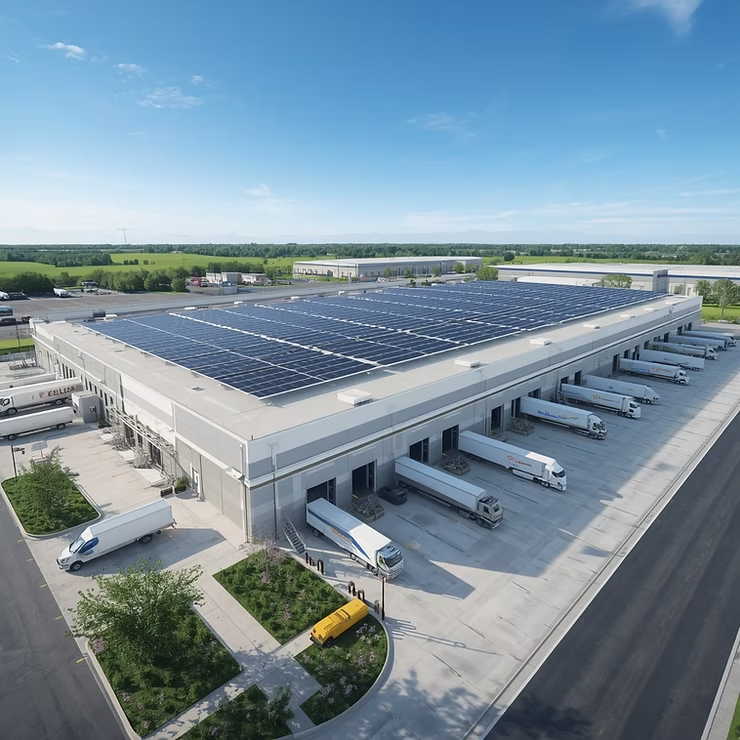
Keep truck movements and yard operations at the center of the design. A canopy that works over passenger-car parking may not suit a delivery area. The best location is one that produces useful electricity without making the property harder to operate.
Find Out What Your Warehouse Qualifies For
A first conversation does not need to be complicated. Share the property address, recent electricity bills, and what you know about the roof. If you lease the building, include that information too. Those details help identify suitable options and the incentives worth investigating.
Ethics & Energy works with businesses nationwide, so the review is not limited to Virginia properties. For a company with several warehouses, evaluating each location separately can help identify which building offers the best place to start.
Our commercial solar case studies offer a look at completed installations and the types of properties that can accommodate them.
You should come away understanding the proposed system, expected savings, and next steps. Solar energy for warehouses works best when it supports the business already happening inside the building, with a clear financial case and a practical installation plan.