
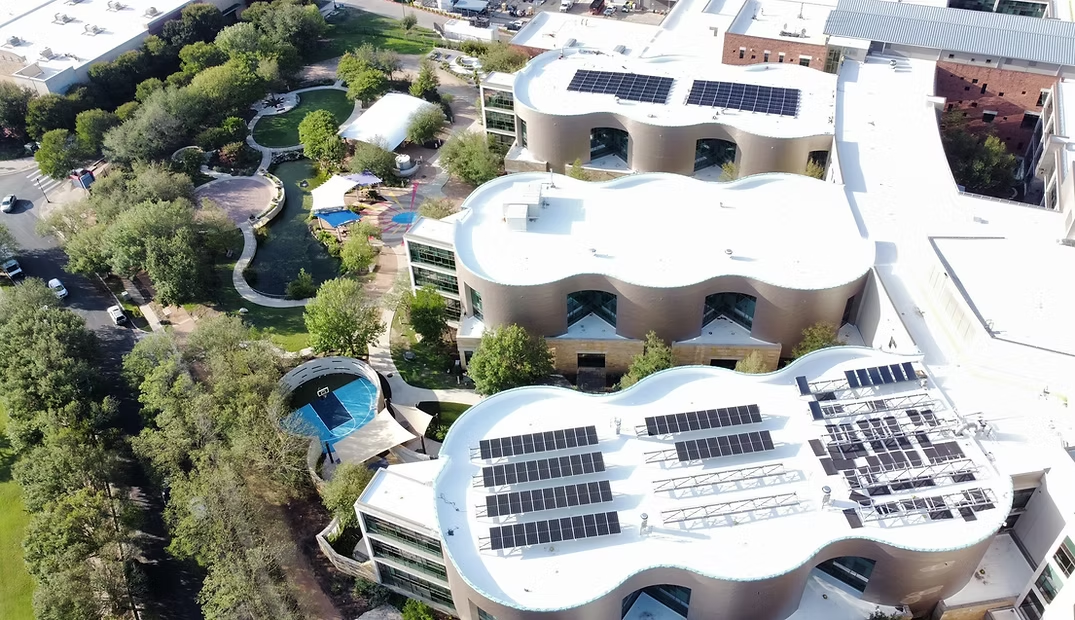
Solar panels for hospitals can reduce purchased electricity and make useful generating space out of roofs and parking areas. With properly engineered storage and controls, solar can also support selected loads during an outage. Panels alone, however, are not a substitute for a hospital's emergency power system.
A hospital's electric bill reflects work that rarely stops. Ventilation runs overnight. Laboratories refrigerate samples. Imaging departments, kitchens, elevators, and information systems all draw power. An outpatient clinic has a different schedule, but cooling, lighting, and medical equipment can still make electricity a substantial operating expense.
The question is not simply whether the property gets enough sunshine. A useful evaluation of solar energy for hospitals and clinics asks how much electricity the system will replace, which spaces can accommodate it, and whether backup power is part of the scope. Those are separate questions, and they need separate answers.
Power Generation for Hospitals
Power generation for hospitals must account for patient care as well as the utility bill. An interruption can affect life-support equipment, medication refrigeration, communications, and environmental controls. Some equipment cannot tolerate even a brief interruption. A design that makes sense for a warehouse may be entirely inappropriate for a surgical facility.
Start by distinguishing the hospital's total electrical load from the loads assigned to its essential electrical system. The facilities and clinical engineering teams need to establish what must keep running, for how long, and with what transfer or ride-through performance. An annual consumption figure cannot answer those questions.
Solar supplies electricity when sunlight is available. Generators, uninterruptible power supplies, batteries, transfer equipment, and controls have different jobs in maintaining continuity. Their coordination is a healthcare electrical engineering task, not a feature to assume comes with a panel installation. Any proposed changes need review by the facility's qualified engineering and compliance teams.
Do Solar Panels Keep a Hospital Running During a Power Outage?
Not by themselves. Standard grid-connected solar systems generally stop supplying power when the grid fails. Outage operation requires equipment designed to isolate safely from the utility and maintain a local power supply. A hospital needs an engineered system matched to defined critical loads, not just panels and an unspecified battery.
The Department of Energy's explanation of solar resilience describes how storage, appropriate inverters, and microgrids can support power during outages. Battery power capacity, measured in kilowatts, and stored energy, measured in kilowatt-hours, answer different questions. One concerns the load a battery can serve at once; the other helps determine how long it can serve that load.
Healthcare rules also matter. The CMS categorical waiver for healthcare microgrids permits certain alternate power sources under specified codes and conditions. It is not blanket permission to replace existing emergency systems. Applicability depends on the facility and its compliance obligations, and the waiver includes an exception for life-support long-term care facilities.
There are working examples. A California Energy Commission report on Kaiser Permanente's Richmond hospital describes a microgrid designed to island the life-safety emergency power branch, including emergency lighting and exit signs. That is a defined scope, not a claim that the entire hospital could run indefinitely on solar. The distinction is worth asking about in any resilience proposal.
Where Can Hospitals and Clinics Install Solar Panels?
Roof space, parking areas, and suitable unused land are all candidates. The best location depends on structural capacity, shading, access, electrical routing, and future expansion plans. A campus with limited roof space may still have a workable project elsewhere on the property.
Rooftops and Medical Office Buildings
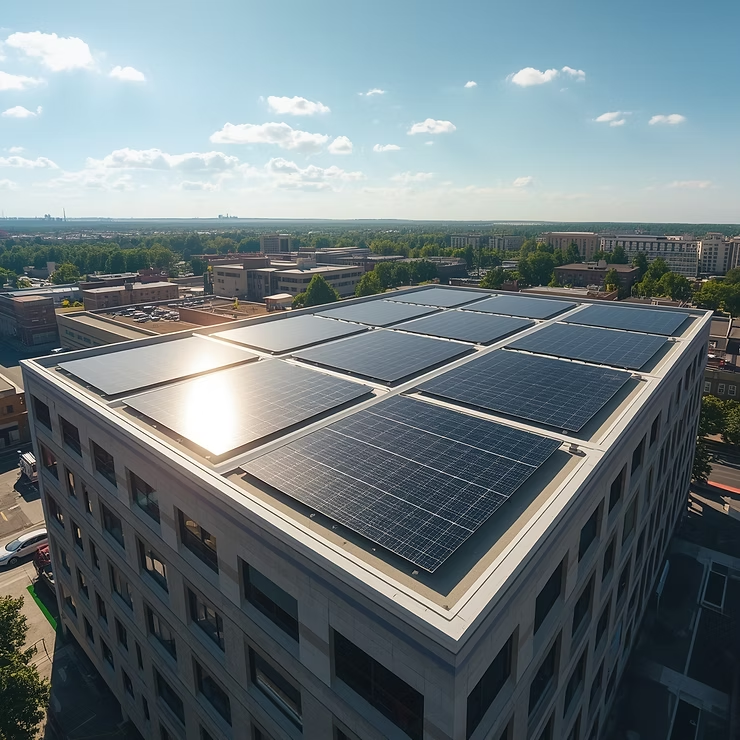
Low-rise clinics and broad hospital wings can offer useful roof area. Check roof condition and warranty terms before designing an array. If replacement is approaching, price the roofing and solar work together rather than creating a future removal-and-reinstallation expense.
Air-handling units, exhaust outlets, access paths, and other rooftop equipment reduce usable space. A tall building may have a large electrical load but relatively little roof area per floor. Its panel count should follow an actual layout and structural review, not a satellite-image estimate.
Parking Canopies and Ground-Mounted Arrays
Commercial solar carports add generating area while providing covered parking for staff and visitors. Their foundations and steel increase construction costs, and the layout must preserve accessible routes, emergency access, and vehicle clearance. Ground-mounted panels may be an alternative where land is available without interfering with future buildings or campus services.
If a campus also plans vehicle charging, our article on solar, parking canopies, and EV charging at auto dealerships explores similar parking and charging considerations. Healthcare access requirements still need their own review.
How Much Can Solar Reduce a Hospital's Electricity Bill?
Solar can lower a hospital's electricity bill by producing some of the power it would otherwise buy from the utility. The amount saved depends on the building's energy use, available space for panels, and local electricity prices. A review of your property and utility bills can show what savings are realistic.
Hospitals use electricity throughout the day, giving them an opportunity to use solar power as it is generated. Solar will not necessarily eliminate the electric bill, but it can reduce an ongoing expense and free up money for other priorities.

A commercial solar assessment should explain the installation cost, available incentives, and expected savings in plain language. That makes it easier to decide whether the investment makes sense for your facility.
Can Nonprofit Hospitals Benefit from Solar Incentives?
Yes. Eligible tax-exempt hospitals may be able to use elective pay to receive the value of qualifying clean-energy tax credits even without federal income tax liability. Eligibility is not automatic: the owner, project, filing process, and applicable credit requirements must qualify. Taxable medical practices follow a different tax analysis.
The IRS guidance on elective pay explains the mechanism and required pre-filing registration. An organization should verify ownership and eligibility before treating a credit as available funding. A nonprofit tenant cannot simply assume it receives a benefit associated with a landlord-owned system.
Timing also matters. Under IRS Notice 2025-42, applicable solar facilities whose construction begins after July 4, 2026, face a December 31, 2027, placed-in-service deadline for the federal clean electricity investment credit. Other eligibility requirements still apply. Have a qualified tax adviser verify current rules, documentation, and the project's schedule before relying on an incentive.
Compare a direct purchase with any proposed lease or power purchase agreement using the same operating assumptions. Establish who owns the equipment, receives eligible benefits, handles maintenance, and pays for removal at the end of the contract. A lower initial payment does not, by itself, establish the lowest lifetime cost.
For organizations with several clinics, evaluate solar incentives by location rather than assuming every site qualifies for the same programs. Utility territories, state rules, and the entity that owns each property can change the analysis.
A Clinic Needs a Different Solar Plan Than a Hospital Campus
A daytime outpatient practice may use a good portion of its solar production while it is open. Weekend and holiday closures can create surplus generation, however, so export compensation matters. Leased premises introduce another question: does the lease allow rooftop improvements, and who pays the electric bill?
A hospital campus may have several meters, separate buildings, central services, and future construction projects. Savings at one meter do not automatically offset charges at another. Establish the electrical connection and billing arrangement before comparing a proposed array with the campus's total electricity expense.
Review efficiency projects before finalizing solar capacity. Changes to lighting or building controls can change the load forecast. The goal is to size around the facility's expected operations, rather than pay for capacity based on equipment that is about to be replaced.
Getting Started with Solar for Your Healthcare Facility
Start with a conversation about your building, electricity costs, and goals. Your solar provider can review recent utility bills and available roof or parking space, then explain which options are worth considering.
You should come away knowing what the project would cost, how much it could save, and which incentives may apply. Your facilities team should also understand how installation would fit around daily operations. If backup power is a goal, discuss it separately so everyone is clear about what the system will provide.
Our commercial solar case studies offer a look at completed projects. An assessment of your own property is the next step toward finding out whether solar is a good fit for your hospital or clinic.