

Hotels rarely have a true off switch. Guest rooms, hallways, kitchens, laundry equipment, elevators, pools, ventilation, and front-desk systems create an energy load that continues day and night. Solar can help reduce the electricity purchased during daylight hours without changing the experience guests expect.
The best project starts with the way the property actually operates. A roadside hotel, a full-service convention property, and a coastal resort may have very different roof areas, occupancy patterns, amenities, and utility rates. Those differences determine how much solar fits and what it may save.
For hotel owners evaluating commercial solar, the goal should be a clear financial model tied to the property. A proposal needs to account for the hotel's electricity use, roof condition, available parking, utility rules, and local incentives. It should also explain what solar will not cover, including natural gas use and utility charges that are not based on kilowatt-hours.
Solar Power for Large Hotel Buildings
Large hotels can be strong solar candidates because they often use substantial electricity throughout the day. Cooling, ventilation, lighting, elevators, kitchens, meeting spaces, pools, and back-of-house equipment may all be operating while a solar array is producing power.
According to ENERGY STAR's lodging guidance, hotels operate around the clock and energy represents about 6% of operating costs on average. The exact number varies widely. Climate, property size, occupancy, food service, refrigeration, pools, and the efficiency of existing equipment all affect consumption.
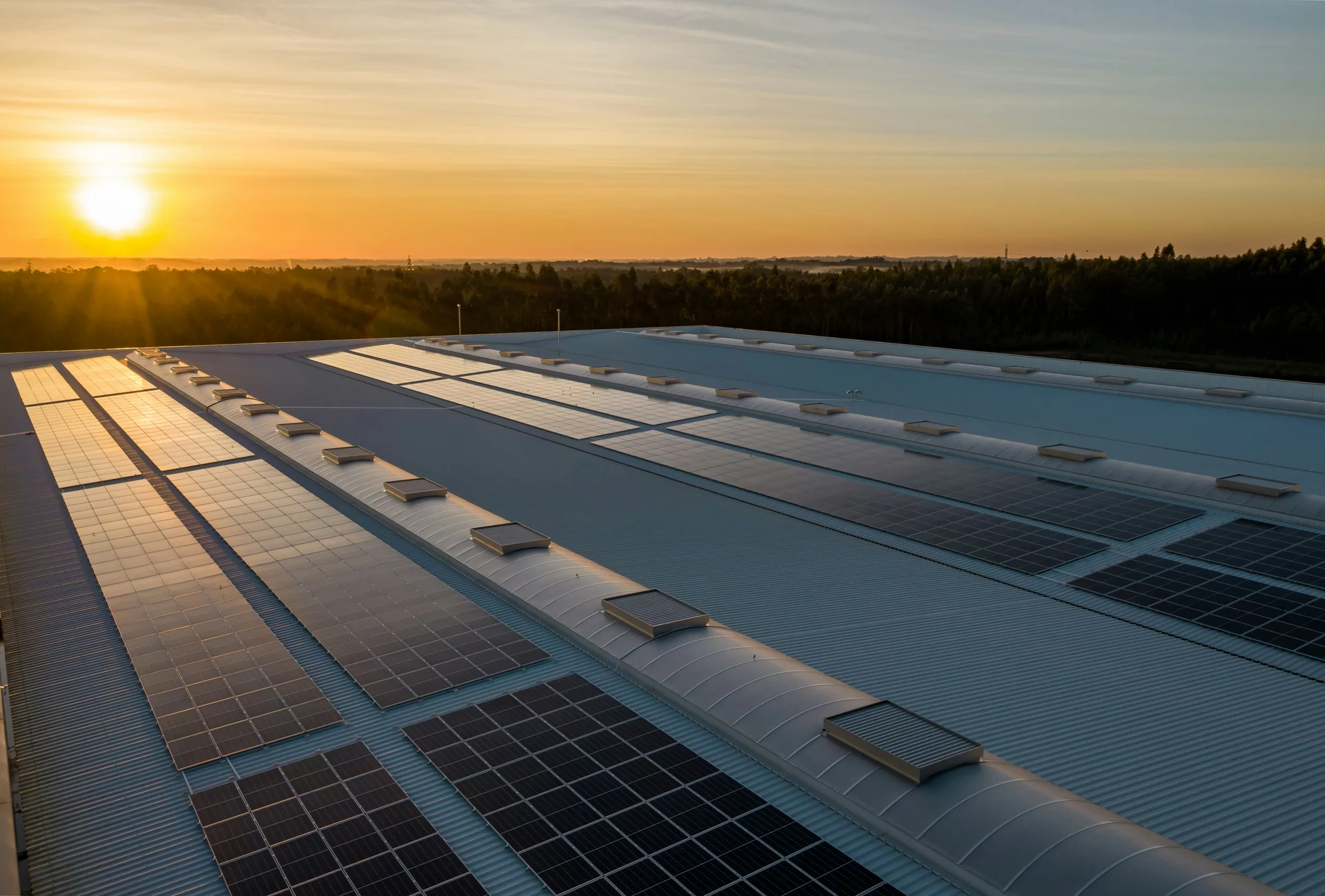
A large roof can provide room for a meaningful system, but square footage alone does not establish the right size. The design must work around rooftop heating and cooling equipment, vents, drains, skylights, parapets, and safe maintenance routes. Structural capacity and remaining roof life should be reviewed before the economics are treated as final.
Hotel campuses may have more options than the main roof. Parking lots can support commercial solar carports that produce electricity while creating shaded parking for guests. Resorts with suitable unused land may also consider a ground-mounted array. Some properties can combine two or three installation types.
Hospitality Energy Solutions
Hospitality energy solutions work best when efficiency and generation support each other. Solar produces electricity, while efficiency improvements reduce the amount the property needs in the first place. The combination can improve the financial case without asking guests to accept darker rooms, uncomfortable temperatures, or fewer amenities.
Lighting is a practical starting point because hotels have guest rooms, corridors, meeting areas, lobbies, offices, parking lots, and exterior signage. Modern fixtures and controls can lower electricity use and reduce maintenance. Our guidance on commercial lighting upgrades explains how facilities can evaluate that opportunity alongside solar.
Heating and cooling controls deserve equal attention. Empty rooms do not need the same conditioning as occupied rooms, yet controls must return the space to a comfortable temperature before a guest notices. Kitchens, laundry rooms, pools, and hot-water systems should be reviewed separately because solar electric panels do not automatically solve every energy cost at the property.
The Department of Energy's hospitality solar decision guide recommends looking at operating costs, available installation space, financing, and ownership structure together. That is useful advice for a single resort and for hotel groups comparing several properties.
How Hotels Can Reduce Energy Costs with Solar
Hotels can reduce energy costs with solar by sizing the system around daytime electricity demand, using suitable roofs or parking areas, combining solar with efficiency upgrades, applying available incentives, and measuring performance after installation. The strongest plan protects guest comfort while lowering the amount of utility power the property must purchase.
- Collect at least 12 months of electricity bills and, when available, interval usage data.
- Identify when cooling, kitchens, laundry, pools, and meeting spaces create the highest electrical demand.
- Review rooftop, carport, and ground-mount locations before assuming the main roof is the only option.
- Reduce avoidable consumption with lighting, controls, and equipment improvements.
- Model incentives, financing, maintenance, and utility charges with conservative assumptions.
The order matters. If a hotel plans to replace inefficient lighting or cooling equipment, the future load may be lower than the historical bills suggest. On the other hand, an expansion, new restaurant, larger laundry operation, or electric vehicle charging could increase usage. The solar design should reflect the property the owner expects to operate, not only last year's consumption.
How Much Can a Hotel Save With Solar?
A hotel's solar savings depend on system production, on-site electricity use, utility rates, financing, and incentives. A credible estimate compares current bills with projected bills by charge category and explains which costs solar is expected to reduce. Roof size alone cannot produce a reliable savings figure.
The first calculation is expected annual generation. Once we understand how much energy your hotel uses, we can provide a free estimate based on the property, its electricity needs, and the space available for solar. A final proposal will also account for the site layout, shading, equipment selections, and realistic system losses.
Next, production should be compared with the hotel's electricity use. Solar power consumed at the property may replace electricity that would otherwise be purchased. Excess generation may receive a different value depending on the utility's rules. Demand charges, fixed fees, and fuel costs need separate treatment rather than being grouped into one savings percentage.
A hotel company comparing several locations should use the same assumptions across the portfolio. That makes it easier to see whether one property has a better roof, stronger daytime usage, a more favorable utility rate, or better incentives. The first project does not always need to be the largest hotel.

Solar Incentives for Hotels and Resorts
Commercial solar incentives can reduce the net cost of a qualifying hotel project, but the details depend on ownership, location, equipment, labor requirements, and timing. A national hotel group should not assume every property qualifies for the same combination.
The IRS provides current information on the Clean Electricity Investment Credit for qualifying facilities. Potential increases have specific requirements, and tax treatment varies by project. Hotel owners should have their tax adviser confirm eligibility before a credit is included as a guaranteed source of value.
State, local, and utility programs can also change the result. Our overview of commercial solar locations shows why the property's address matters. Incentives can have funding limits and deadlines, so a proposal prepared months ago may need an updated review.
Can Solar Keep a Hotel Running During a Power Outage?
Standard grid-connected solar usually shuts down during a utility outage. A hotel needs battery storage, suitable controls, and a backup design if it wants solar-generated power available when the grid is down. The system should be sized around selected critical loads rather than an assumption that every guest room and amenity will remain fully powered.
Priorities might include emergency lighting, communications, access controls, refrigeration, point-of-sale systems, elevators, or a limited number of guest services. Backup requirements are a separate engineering and financial decision from everyday utility savings.
The Department of Energy's solar and resilience guidance explains how solar, storage, and microgrids can work together. It also reinforces an important point: installing panels does not by itself make a property independent from the grid.
Solar for Leased, Managed, and Branded Hotel Properties
Hospitality properties often involve separate owners, management companies, brands, and lenders. That structure can add approvals, but it does not automatically prevent solar. The parties need a clear agreement about installation access, equipment ownership, roof responsibilities, insurance, maintenance, and who receives the financial benefit.
Leasing is rarely an issue when the building owner is brought into the process early. The same applies to properties operating under a franchise or management agreement. A site review can identify the approvals that are likely to be needed before the project moves too far.
For a hotel portfolio, standardized review criteria can save time. Each property should still receive its own analysis, but the company can use a consistent approach to utility data, roof documentation, financial assumptions, and internal approvals.
Planning Solar Without Disrupting Guests
Construction planning matters as much as system design. Hotels need to protect entrances, guest parking, quiet hours, loading areas, event schedules, and access for emergency services. Work can often be phased around occupancy patterns, but that needs to be discussed before the installation calendar is set.
A good project team will explain where equipment will be staged, how roof access will work, which parking spaces may be temporarily unavailable, and when electrical shutdowns are required. Clear planning helps the hotel continue operating while the system is installed.
Find Out Whether Solar Fits Your Property
Solar for hotels and resorts should begin with a practical review, not a generic price per panel. Recent utility bills, the property address, roof information, operating schedules, and planned renovations give the project team enough context to start.
The resulting proposal should explain the recommended installation type, expected production, projected savings, available incentives, and any remaining approvals. That gives owners and operators a useful basis for deciding whether solar energy systems for hospitality businesses make sense at one property or across a larger portfolio.